A path forward for US diplomacy for carbon management
Assorted thoughts on how the US should approach international engagement on carbon management

Over the past few years, I’ve spent time working with government officials around the world on ways to accelerate the deployment of carbon management solutions. What I’ve learned is that (1) US leadership on carbon management is critical, and (2) that the US is at best directionless, and increasingly fully absent in such conversations today. I’m still unclear about how the US should redirect and focus its efforts in the next Administration that cares about carbon management. What follows are a few ideas for how to structure conversations on US diplomatic engagement in the future.
Carbon management — both point source carbon capture and storage and atmospheric carbon removal — is critical for the US to achieve net-zero emissions by midcentury, and for the global economy to achieve the same shortly thereafter. The US also has a significant and potentially durable competitive advantage in a large-scale (i.e. 10Gt/$T annually) global carbon management industry of the future given its natural resources, technology innovation ecosystem, public and private financial capacity, and industrial/agricultural expertise related to carbon management.
If the US is the only country that pursues carbon management at scale, however, it will realize few of the technology’s potential climate and economic benefits. Furthermore, a global carbon management industry of the future won’t emerge through technology innovation alone; it has to be actively created through policy change. As a result, the US will need to work with countries around the world — allies and competitors alike — to build and scale carbon management technologies, infrastructure, markets, and policies in parallel.
While carbon management is a strategic industry for the US to nurture, it doesn’t fit neatly into the “small yard, high fence” thinking of the Biden Administration foreign policy team for other strategic sectors like microchips, pharmaceuticals, or other clean technologies like electric vehicles. For the US to succeed at carbon management, we just need a big yard: the more space we have to operate, the more our structural advantages in this industry will naturally translate into market share and profits. Furthermore, because carbon management is more of an infrastructure and resources industry than a manufacturing one, it is unlikely that we will lose our competitive advantage to lower-wage geographies in the future.
These dynamics require sustained and nuanced diplomatic leadership for the US to realize the full potential of its strategic advantage in carbon management. This analysis explores how the US has collaborated with other countries on carbon management efforts in the past, and how the US can evolve this collaboration in the future to best scale carbon management in line with global climate goals and US economic competitiveness.
Part 1: Historical collaboration provides a strong foundation for future initiatives
The US has a 20+ year history of diplomatic engagement on carbon management, both in bilateral and multilateral initiatives.
Bilaterally, the US has focused diplomacy on research and development coordination. For example, the US and Norway have held annual coordination meetings, and have an agreement to enable companies from each country to access the National Carbon Capture Center in Alabama (for small pilots), and the Technology Centre Mongstad outside of Bergen (for larger pilots). China was also an important historical collaborator with the US, as carbon management was a key vertical as part of the CERC collaboration in the Obama Administration. The US also has longstanding bilateral cooperation on carbon management research and innovation with G7 allies Canada, UK, and Japan.
Multilaterally, the US has been a key leader in several carbon management related efforts. Throughout the 2010s, the Carbon Sequestration Leadership Forum (CSLF) provided the main platform for coordination, with active participation from more than a dozen governments interested in research collaboration and policy knowledge sharing. Over time, the CSLF has faded as a key forum for engagement on research and policy coordination as broader clean energy initiatives like the Clean Energy Ministerial and Mission Innovation emerged and the US took leadership roles in their dedicated carbon management tracks. The US also collaborated with initiatives like the EU-led Accelerating CCS Technologies program to support collaborative research and development projects.
The US government has also supported a number of multilateral analysis and knowledge sharing efforts related to carbon management. US support has been critical for the IEA’s carbon management analysis and research, and the US has been a leading member in the Global CCS Institute. DOE has also supported technical meetings like the IEA GHG biannual GHGT conferences, and regional efforts like the Asia CCUS network. The US has also sent scientists to represent the IPCC’s efforts to set national-level carbon accounting standards for carbon management solutions.
The Biden Administration marked an inflection point in US collaboration on carbon management. President Biden announced US leadership for the Carbon Management Challenge in 2023, prominently elevating carbon management to the head-of-state level for the first time (that I’m aware of). This initiative marked a departure from the research and innovation focus of historical diplomatic collaborations, as the field shifted towards deployment and commercialization to meet climate goals. The US also incorporated carbon management in the Net Zero Producers Forum, showing how the field was broadening away from its “clean coal” roots to supporting broader clean firm power and industrial decarbonization efforts.
While the US has been heavily engaged in carbon management diplomacy, there are a few key venues where it has been notably absent. In particular, the US has not participated in international finance efforts related to carbon management, such as the World Bank’s now-closed CCS Trust Fund. In addition, the US has not engaged with new initiatives like the Group of Negative Emitters led by Denmark, which is focused on building the platform for global coordination on carbon removal. Lastly, the US has historically kept a lower profile around negotiations for global carbon market efforts like the Paris Agreement’s Article 6, CORSIA, and IMO — not actively opposing carbon management, but also not working to leverage these markets to drive early commercialization to the extent possible. Now that the US has left the Paris Agreement and is undermining other global environmental and climate efforts, our credibility and leverage in these forums is at historic lows.
Part 2. Strategic considerations for the US carbon management industry
The US currently has a number of advantages in our carbon management industry. These structural advantages include:
Geology: the US has the technical capacity to store 10Bs of tons of CO2 annually, both on and offshore. Geological storage isn’t particularly supply-constrained globally, but our resource endowment is a competitive advantage compared to many geographies, including Europe, China, and India.
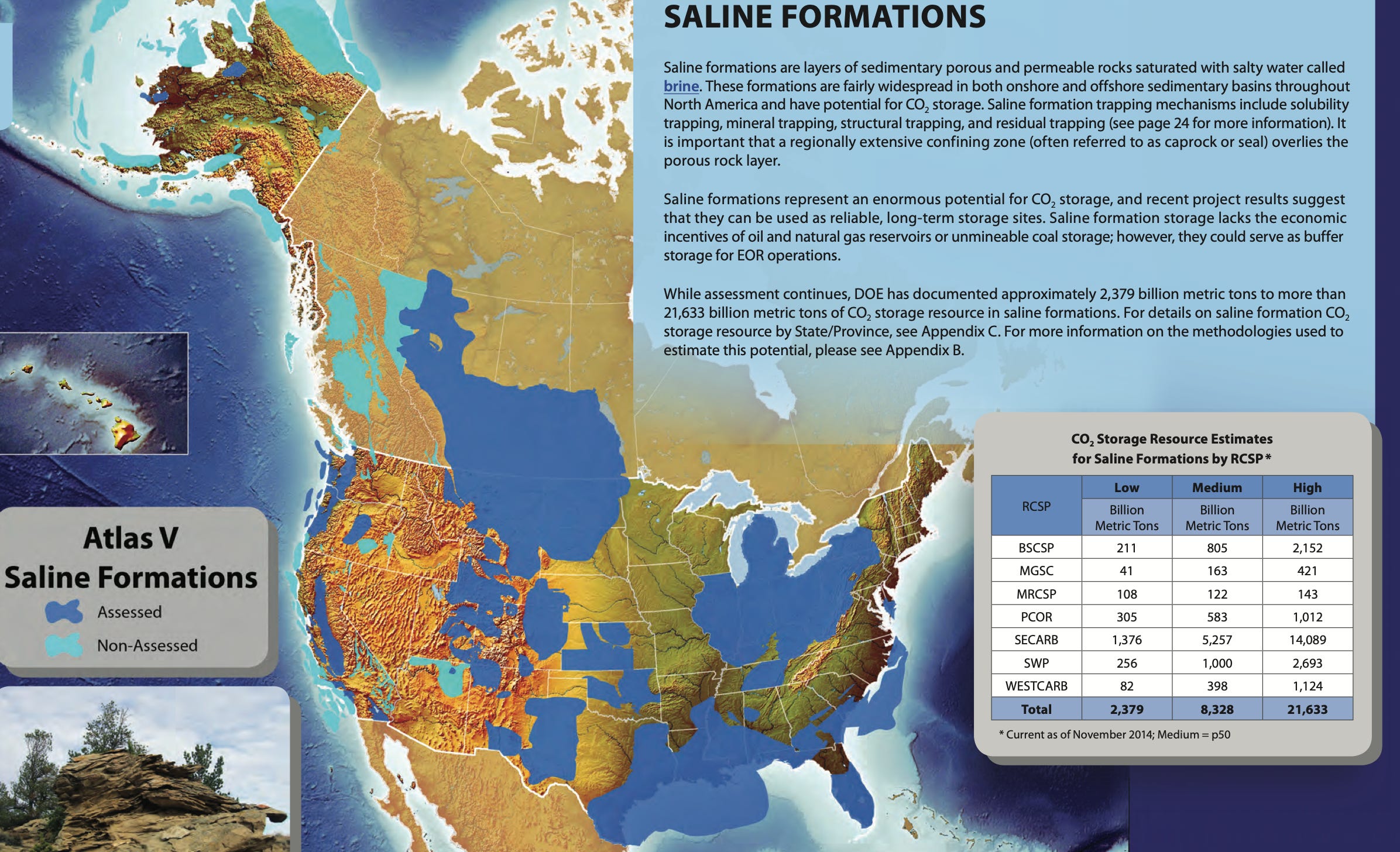
Regulatory framework: EPA’s Class II and Class VI regulations for CO2 storage have been developed over the past two decades, and have proven safe, effective, and (increasingly) workable for industry.
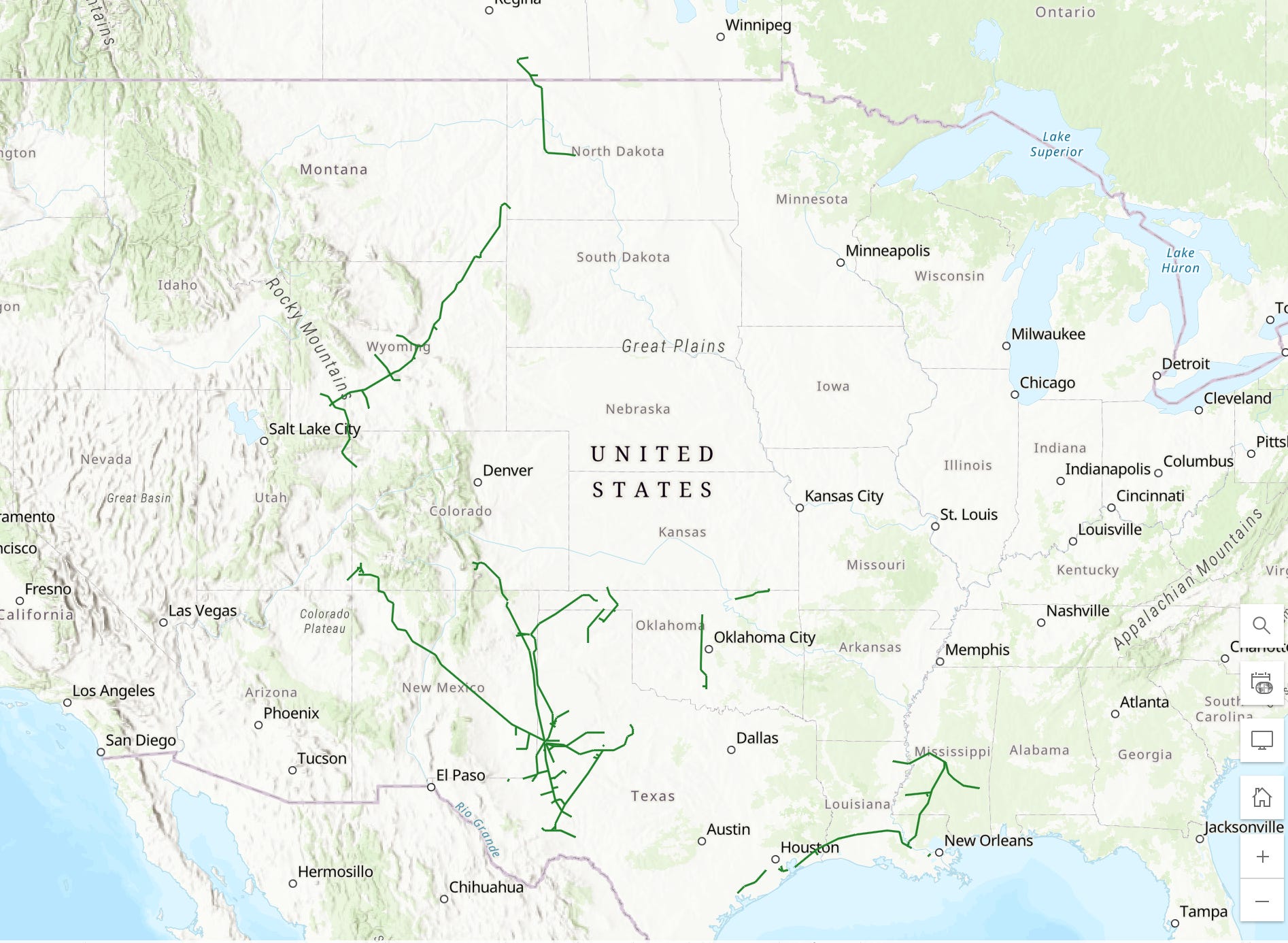
Existing CO2 transportation and storage infrastructure: the US has a 50+ year history of using CO2 for enhanced oil recovery, and a 20+ year history of dedicated CO2 storage in saline aquifers. In addition, there are 5,000+ miles of existing CO2 pipelines in the US. These existing assets give the US a head start on other countries that are working to build this infrastructure in a greenfield way today.
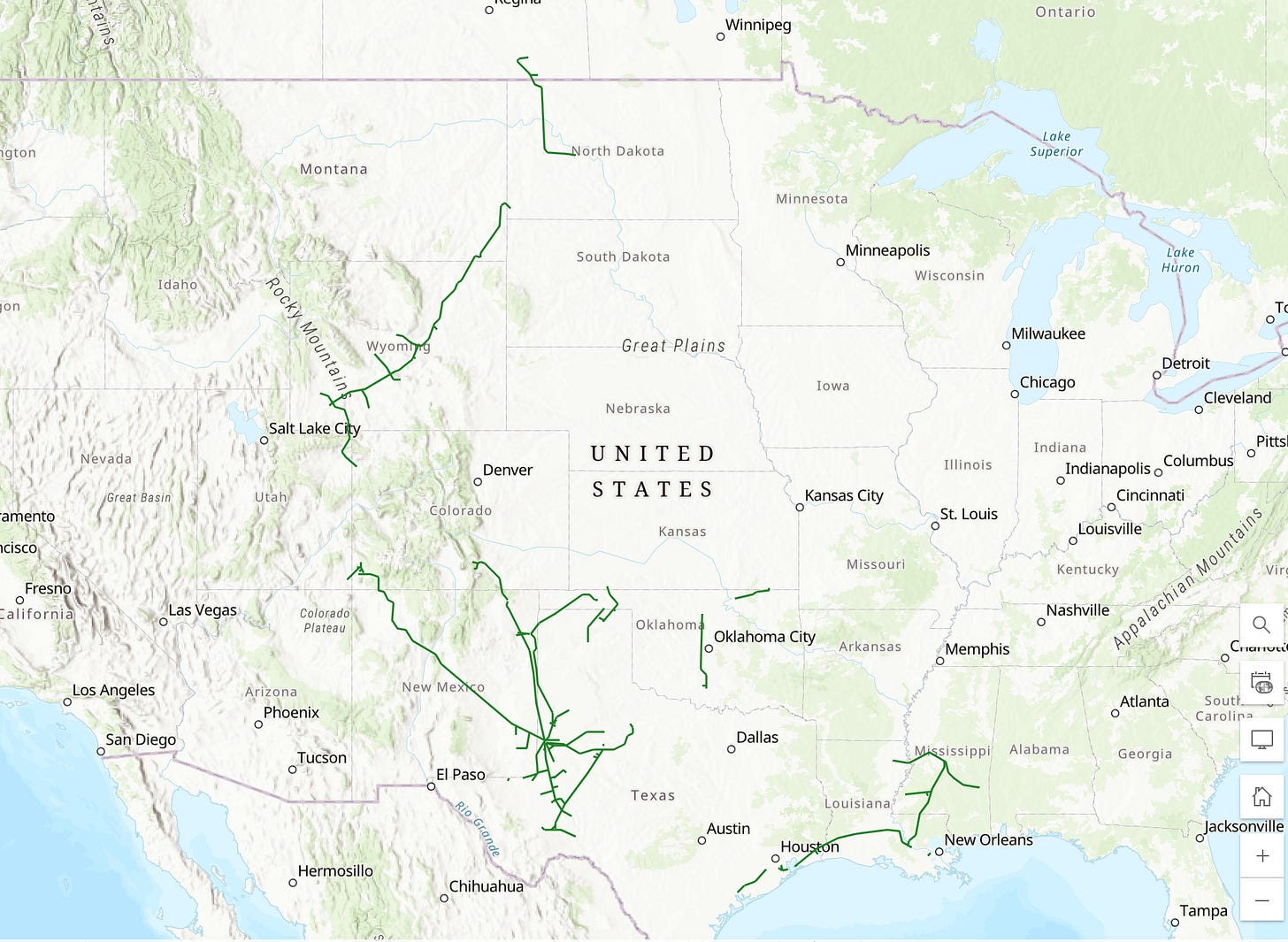
Private ownership of pore space: the US is unique in that the public does not own pore space, providing more incentives for landowners to monetize their CO2 storage resources in ways that can overcome some of the NIMBY challenges seen with CO2 infrastructure in other places in the world.
Carbon removal innovation ecosystem: including the private venture capital funding ecosystem, voluntary corporate purchases, and innovation assets like the National Carbon Capture Center and the NETL DAC Test Bed.
Policy incentives: the 45Q tax credit has a long bipartisan history and offers a market framework for CO2 capture. The US also has more fiscal capacity compared to many others, that enables it an advantage in subsidizing innovation and early commercialization.
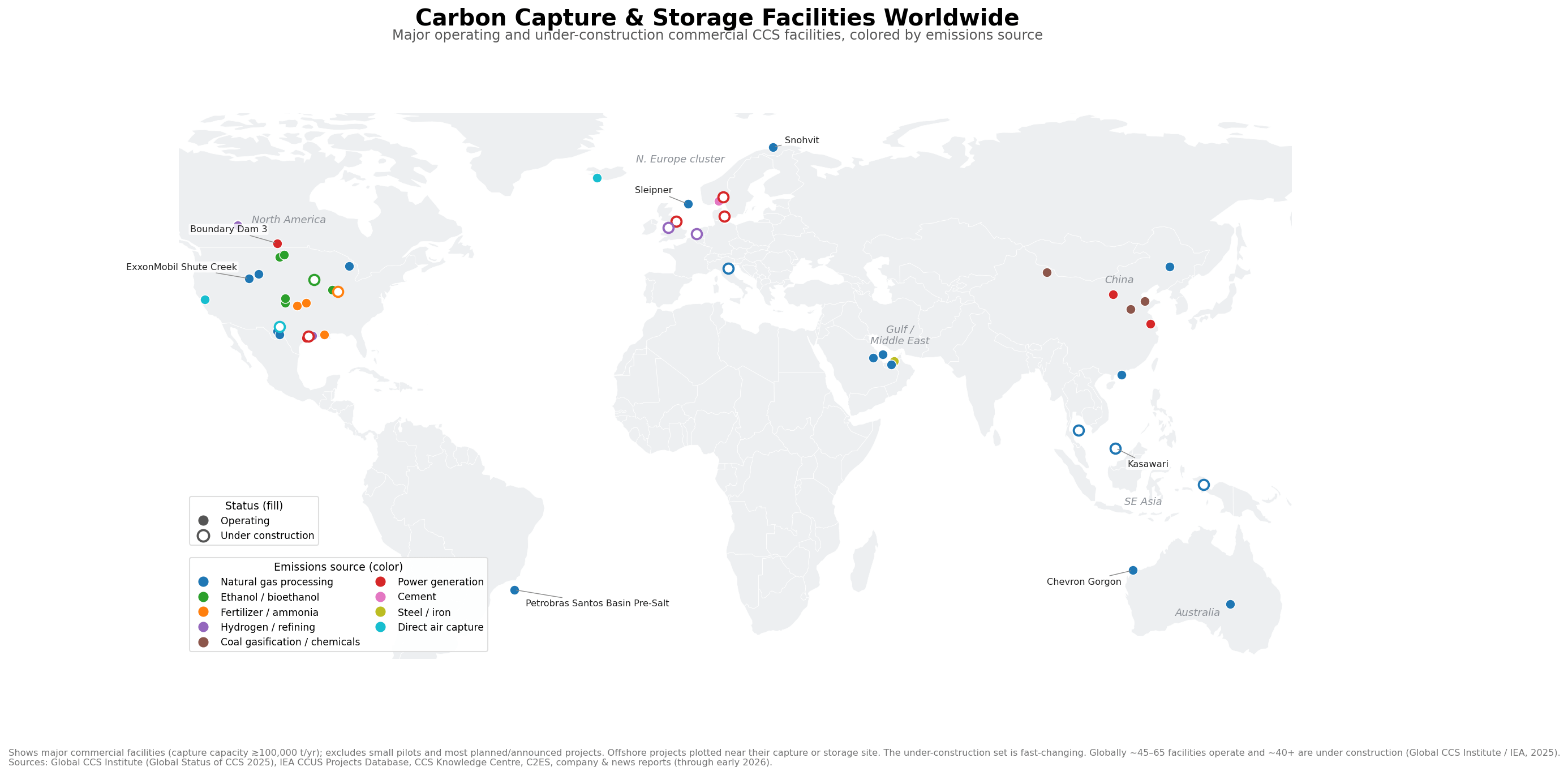
The biggest disadvantages the US has include:
Lack of national carbon regulation: which is the primary driver of carbon management deployment in other regions.
Growing NIMBYism: associated with any infrastructure, and carbon management is no exception
Siting and permitting: carbon management is caught in broader permitting challenges, and has unique challenges associated with interstate CO2 pipelines.
Lack of low-cost labor base: which makes projects more expensive relative to some other geographies
Lack of commitment to international development finance for carbon management: making it difficult to finance projects in emerging economies (i.e. analogous to China’s Belt and Road initiative).
Policy will play a critical role in whether the US retains and even strengthens its competitive advantage. Key features of policy needed to maintain this advantage include:
Long-term commitment to policy frameworks that incentivize domestic deployment of carbon management and global climate efforts.
International collaboration to support low-carbon manufacturing and low-carbon oil and gas products.
Part 3: breathing new life into existing multilateral carbon management innovation efforts
Moving forward, the US can reestablish a leadership role in existing innovation initiatives such as Mission Innovation and the Clean Energy Ministerial, and revitalize the Carbon Management Challenge. These initiatives provide effective forums for technology and policy knowledge exchange that will be key to designing robust global markets for carbon management in the future. And by elevating carbon management to the ministerial level, it will provide a tailwind for policy and private sector support.
In these multilateral venues, the US could work to orient the innovation agenda towards frontier innovation questions that are directly relevant to larger-scale deployment. For example, countries will increasingly need to develop basin-scale management regulatory approaches, requiring new types of geologic research that is non-rival in nature. Unconventional geologic storage in basalts is also critical to expand opportunities domestically and globally. As is analysis on how to mitigate potential nitrosamine pollution from large-scale deployment of capture technology in carbon management hubs or clusters, which will be critical for safe deployment at scale and broader social license in turn.
In addition, the US could consider taking a leadership role in the Group of Negative Emitters. Using this venue to help countries develop carbon removal roadmaps will provide an important platform to catalyze early policy action on removals in geographies around the world. The Group of Negative Emitters can also provide a platform outside of the formal UNFCCC structure for eventual coordination on legacy emissions clean up, so countries can avoid some of the challenges that the unanimous nature of the Paris Agreement has presented on driving emissions reductions to date.
Part 4: build new efforts on trade and finance in four key spheres.
Existing multilateral efforts, however, are insufficient to accelerate market demand, finance, and the codification of robust carbon accounting standards. To tackle these deployment-centric challenges, the US can build new diplomatic efforts around carbon management in four overlapping spheres:
1. US - China bilateral. The US and China are the world’s largest emitters, industrial economies, and development finance investors. However, there is unlikely to be an opportunity for the US and China to collaborate on technology development around carbon management like the CERC efforts of the Obama administration or the Sunnylands efforts of the Biden Administration. China has made substantial progress on developing its own carbon capture technology and expertise, and the idea animating the CERC — that China would deploy US capture technology cheaply and at scale — is now antiquated. US-China relations have grown significantly more adversarial in the past decade, further shrinking the window for collaboration on technology innovation.
Where carbon management can potentially play a meaningful role now is helping to deescalate tensions in the broader relationship in a way that brings symmetric benefits to both countries. For example, the US and China could commit to carbon management deployment goals as a condition for reduced tariffs on certain goods. The resulting emissions reductions would also help both countries to comply with the EU’s Carbon Border Adjustment Mechanism (CBAM) in the future (and any other nation that adopts low carbon product standards/regulations as a condition for trade with their economy). And coordinating on deploying industrial carbon management projects would also help the US reestablish credibility on climate action, while even offering the current Administration a way to help US energy companies increase their competitiveness in a global economy undergoing an energy transition.
The US also has an incentive to ensure that standards for carbon management and associated low carbon products are developed in a robust way. Technical collaboration around ISO standards and can help ensure that markets are structured in a fair way.
2. G7 (including the EU). All G7 members have (relatively) advanced carbon management innovation and commercialization policy frameworks and supporting regulations for CO2 transportation and storage. The G7 can use this headstart to catalyze demand for carbon management globally and set standards for low carbon products in ways that reinforce this early mover advantage to their collective economic benefit.
One way to do so is to build on the EU CBAM to enact harmonized CBAMs to support industrial decarbonization across G7 geographies. This regulatory tool will encourage both domestic regulations and incentives to accelerate all forms of decarbonization including carbon management, and incentivize more emissions-intensive trade partners to do the same to avoid paying penalties on their exports.
Furthermore, coordinating around CBAM provides an impetus to develop robust standards for low carbon products and carbon removal accounting. Having a small group that benefits from high-integrity setting the standards improves the chances that we can avoid a race to the bottom on quality like we have seen in many carbon offsetting efforts in the past.
The G7 can also coordinate on scaling frontier carbon removal solutions. G7 members have a unique fiscal capacity to invest in carbon removal innovation, and, as I’ve argued in the past, a national security justification for doing so.
3. G20. The G20 offers a forum to provide capacity building, development finance, and markets to ensure that the largest emitting geographies (which also happen to be some of the best climates/resources to do certain types of carbon management projects) have the tools to adopt carbon management as their economies grow.
For one, the G20 can provide a forum for catalyzing international markets for carbon credits, via mechanisms like the Paris Agreement Article 6, ICAO’s CORSIA initiative for international aviation emissions, and the IMO’s international shipping decarbonization efforts.
Carbon management is highly unlikely to scale in places like India, Brazil, Indonesia, and beyond with domestic policies alone. Instead, governments in wealthier geographies will need to make commitments to purchasing credits from these projects abroad alongside their own domestic commitments to carbon management. In addition, development finance will be essential, likely at the $B/year scale in order to enable commercial projects across multiple geographies. Furthermore, technical assistance and capacity building for regulators will be important to ensure that projects can happen in an effective and safe manner.
While these initiatives will involve substantial capital flowing out of wealthier economies, not all of the motivation needs to be charitable in nature. These new markets and capital outflows will increase opportunities for technology export and for increased financial services opportunities in hubs like New York, London, Tokyo, Singapore, and beyond.
Advanced market commitments and development finance pledges will also be mutually reinforcing. If credit-worthy governments act as the counterparties for carbon credit transactions, the risk of default on development finance loans goes down substantially.
4. Allied oil and gas producers. The US has a structural advantage in a global oil and gas market that values decarbonized oil and gas products. The US already has some of the lowest carbon intensity oil and gas production, and can substantially drive down our average carbon intensity by implementing policies like methane fees on upstream emissions, electrification of certain oil production and refining steps, and carbon capture on production, refining, and transportation.
Working with other countries with (the potential for) low carbon oil and gas can help us achieve the dual goals of energy security and climate progress. Such collaboration will involve harmonization of carbon accounting standards for oil and gas products, including adopting ledger-based carbon accounting systems across full oil and gas supply chains. And it will involve creating diplomatic clubs of producers that commit to supplying progressively lower carbon intensity oil and gas products — offering more stability as well, which is increasingly valued post-Iran.
Part 5: Implement in a more coordinated manner
Carbon management is still a relatively new concept for many in the US energy and climate diplomatic corps. Engagement for carbon management technologies has historically been led by DOE, which has enabled technical experts to lead dialogues, but has also siloed carbon management from other energy and climate diplomatic efforts led by the State Department. Historically, climate teams at State and in the White House in Democratic administrations have been skeptical about carbon management vis a vis renewable energy and electrification technologies. However, this hesitance to carbon management is waning in the climate community that recognizes the dire nature of the climate math for meeting Paris Agreement goals and the difficulties in eliminating hard-to-abate emissions without carbon management.
To address this challenge, the Administration can do two things to improve implementation of carbon management diplomatic coordination. First, the White House can create an interagency carbon management task force with clear goals, strategy, and accountability to principals in participating agencies and the NSC. White House leadership is critical, as successful carbon management diplomacy will involve engagement from at least State, DOE, Commerce, USTR, and financing agencies like DFC and ExIm Bank. This task force should both create a dedicated carbon management strategy, but also work to integrate carbon management in an explicit way into Administration-wide strategies for science and innovation, permitting reform, decarbonization, energy security, and trade policy.
Second, the Administration can make a concerted effort to provide professional education opportunities for the energy and climate diplomatic corps (both in DC and at embassies around the world) on carbon management industry and US policy priorities.
Conclusion
A sustained, strategic, and adaptable commitment to carbon management is critical for the US to achieve climate goals — domestically and globally — and to ensure US economic competitiveness in an increasingly decarbonized global economy.